
Latest Developments
Tracking the transition to autonomous power grids and carbon-neutral infrastructure
 The Test That Tells You Where Your Heat Is Going
Before spending money on a bigger heat pump, more insulation, or a battery sized to carry a house through a
Read Article
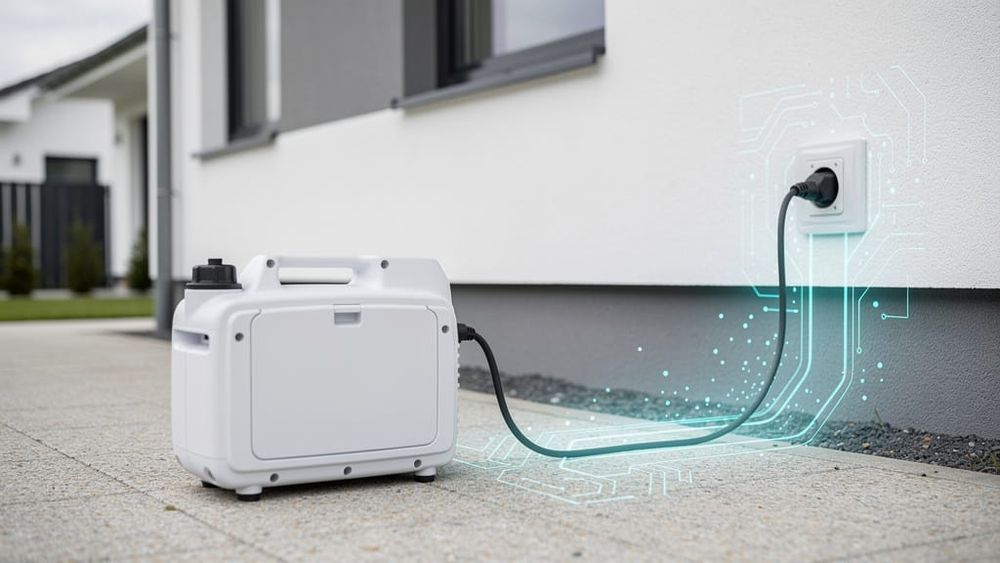 The Generator Detail That Decides If It Works at All
Two portable generators can look identical, carry the same wattage rating, and behave completely differently the moment you plug one
Read Article
 The Voltage Problem That Never Trips a Breaker
The power in a house is not simply on or off. It arrives at a voltage, and that voltage drifts.
Read Article
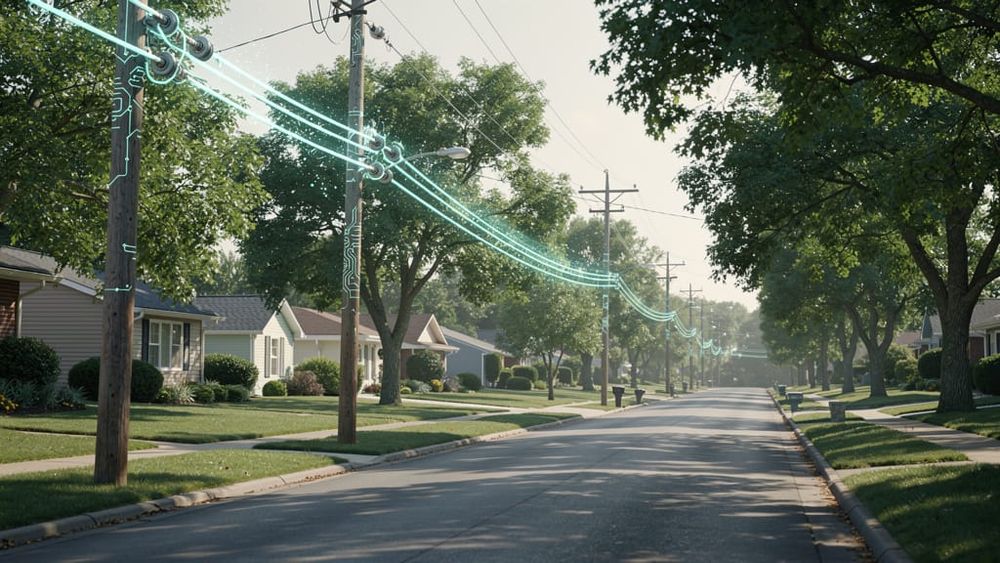 The Two Numbers That Describe Your Utility's Reliability
Every electric utility in the country measures its own reliability with the same two figures, publishes them, and almost no
Read Article
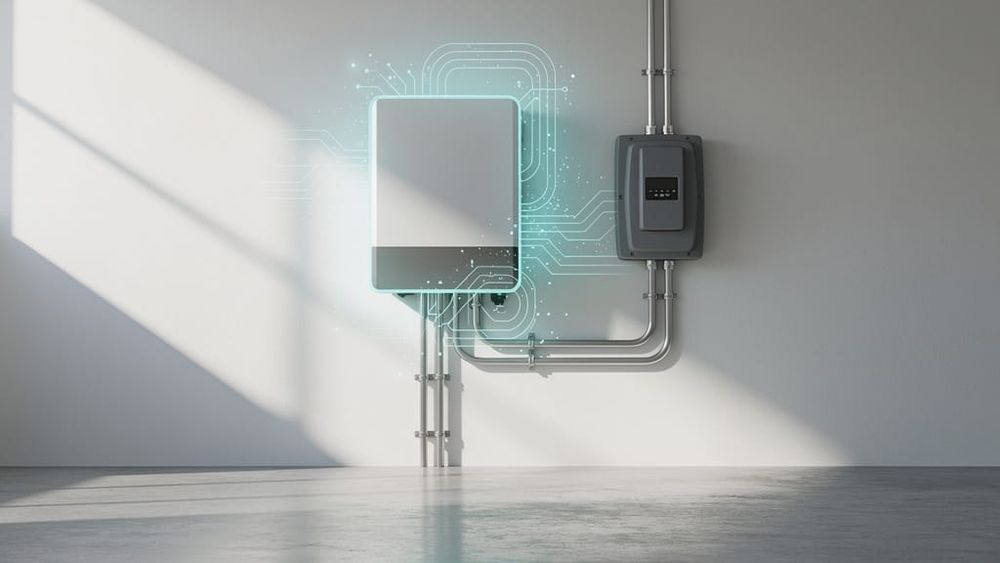 The Solar Component You Will Probably Replace Twice
The panels on a residential array are warranted for 25 years. The box that converts their output into usable power
Read Article
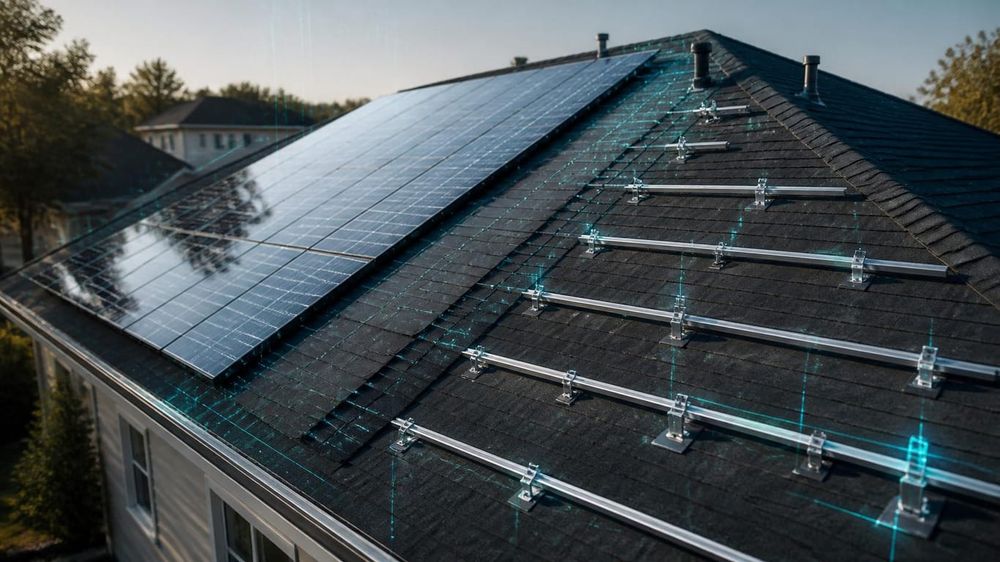 What a Roof Replacement Costs With Panels Already Up There
Solar panels last around 25 to 30 years. Asphalt shingles last around 20. If those two clocks are not aligned
Read Article
 The Permit Office Is Often the Slowest Part of Going Solar
The physical installation of a residential solar array takes one to three days. The paperwork around it routinely takes weeks
Read Article
 The Outage Your Utility Schedules on Purpose
Most outages are something going wrong. A public safety power shutoff is the opposite: the utility turning off working lines
Read Article
 What a 25-Year Solar Warranty Actually Guarantees
Solar quotes advertise a 25-year warranty as though it were one thing. It is two, they cover different failures,
Read Article
 The Sensor Every Portable Generator Is Supposed to Have
About 100 people a year die in the United States from carbon monoxide poisoning connected to portable generators, according to
Read Article
 Why Your Air Conditioner Is the Hardest Thing to Back Up
A four-ton air conditioning compressor draws somewhere between 90 and 130 amps in the instant it starts. It runs
Read Article
 The Kitchen Range That Runs on a Regular Wall Outlet
An induction range normally needs a 240-volt, 40 or 50 amp circuit, which is why swapping a gas stove
Read Article
 The Pump That Fails Exactly When the Water Arrives
A sump pump has one job and one bad habit: the storm that fills the pit is often the same
Read Article
 The Switch That Kills Your Roof's Voltage in 30 Seconds
Solar panels do not have an off switch. As long as light is falling on them, the wiring between the
Read Article
 Nine Million Homes Still Connect Through a Lead Pipe
The EPA estimates that roughly 9 million homes in the United States are still connected to the water main by
Read Article
 The Code That Decides Where Your Battery Can Live
A home battery cannot go just anywhere. Building code sets a hard limit of 20 kWh per unit in a
Read Article
Energy Intel Subscription
Access exclusive insights on decentralized grid scaling, tokenized energy assets, and the 2027 carbon-neutral roadmap
Thank you! Check your inbox to confirm your subscription.