The EPA estimates that roughly 9 million homes in the United States are still connected to the water main by a lead service line. A federal rule now requires water systems to find those pipes and replace them within a decade, which means a lot of homeowners are about to learn something about their own connection that they did not previously know.
Sponsored by Millionaire Media
Less than your coffee. More than your coffee gives back.
Your coffee's gone in 15 minutes, no refunds. Tim Sykes' $1 training comes with a 30-day money-back guarantee. Do the math. Click here.
The Pipe Between the Main and the Meter
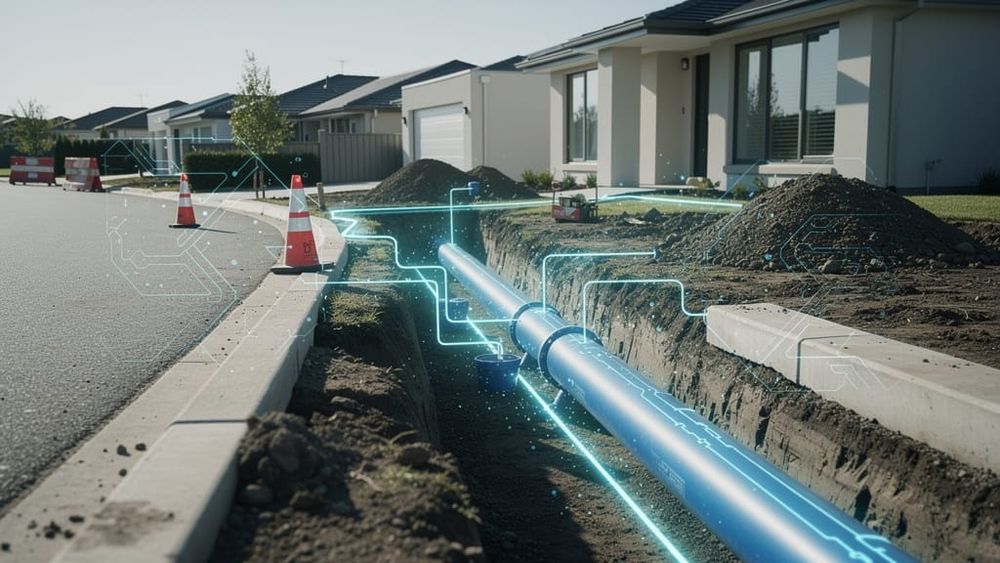
A service line is the short run of pipe connecting the water main under the street to the plumbing at your house. In housing built before the mid-1980s it is often lead, and unlike the pipes inside the walls it is usually the water utility's responsibility on one side and the property owner's on the other.
The Lead and Copper Rule Improvements, finalized in October 2024, does three things worth knowing. Water systems must inventory their service lines and determine the material of any line currently listed as unknown. They must publish a replacement plan and work through it on a roughly ten-year schedule. And the action level that triggers mandatory response dropped from 15 micrograms per liter to 10.
There is also a filtration provision. A system that exceeds the action level three or more times in five years has to make filters certified to reduce lead available to all of its customers. Some utilities go further voluntarily and hand out filters during the replacement work itself, because disturbing an old lead line can temporarily release more lead than leaving it alone.
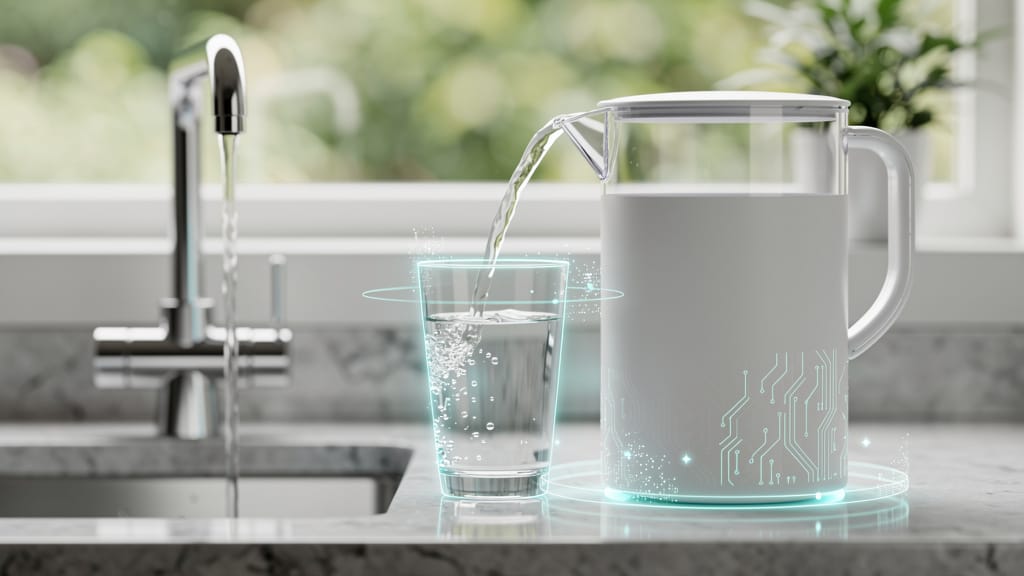
That last point is the practical one. Replacement is good, and the weeks around a replacement are when a filter matters most. The certification to look for is NSF/ANSI 53 for lead reduction, which is a specific claim and not the same as the general taste-and-odor certification most inexpensive filters carry.
Two things a filter does not solve: it treats water at one tap, not at the whole house, and it only works while the cartridge is inside its rated capacity. Both are worth knowing before treating one as a permanent answer.
The Hardware Stack:
Brita Elite Filter: A pitcher filter certified under NSF/ANSI 53 for lead reduction, with a longer service interval than the standard cartridge it replaced.
PUR PLUS Faucet Mount: A tap-mounted unit with NSF/ANSI 53 lead certification, useful where a pitcher does not keep up with household demand.
AquaTru Countertop Reverse Osmosis: A plug-in RO unit that requires no plumbing changes and reduces lead along with a broader range of contaminants.
Vulnerability Score
Unknown material: A homeowner who has not checked the service line inventory does not know whether the pipe under the yard is lead, copper, or still classified as unknown by the utility.
Disturbance risk: Lead release rises temporarily when an old line is cut, replaced, or partially replaced, which is precisely the period most households are unprepared for.
Uncertified filtration: A filter without an NSF/ANSI 53 lead claim may improve taste while doing nothing measurable about lead.
What to Do With This
The first step costs nothing. Most water utilities now publish a service line inventory online, often as a searchable map by address, because the rule requires it. Looking up your own address tells you whether this is your problem, your neighbor's, or nobody's.
If the line comes back as lead or unknown, ask the utility where your address sits in the replacement schedule and whether they provide filters during the work. If it comes back as copper or plastic, you have a documented answer and can stop thinking about it. Either way it is a ten-minute check that resolves a question most homeowners have simply never asked.
Written by Mason Vance
Could this be the next Bitcoin? (Sponsored by Awesomely)
Just Back from Washington (You Need to See This) (Sponsored by Brownstone Research)
Forget SpaceX, this is Elon’s Next Breakthrough (Sponsored by Brownstone Research)