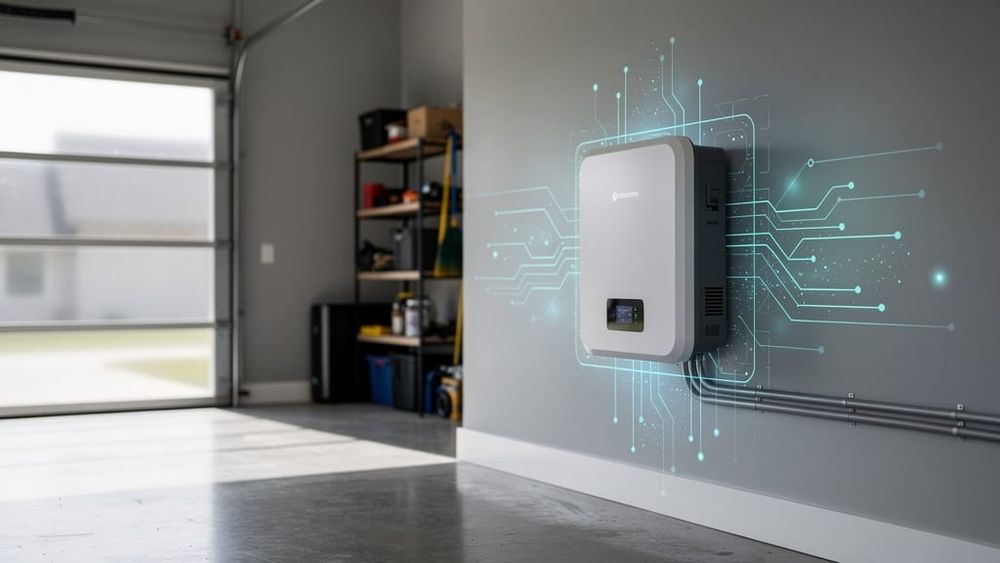
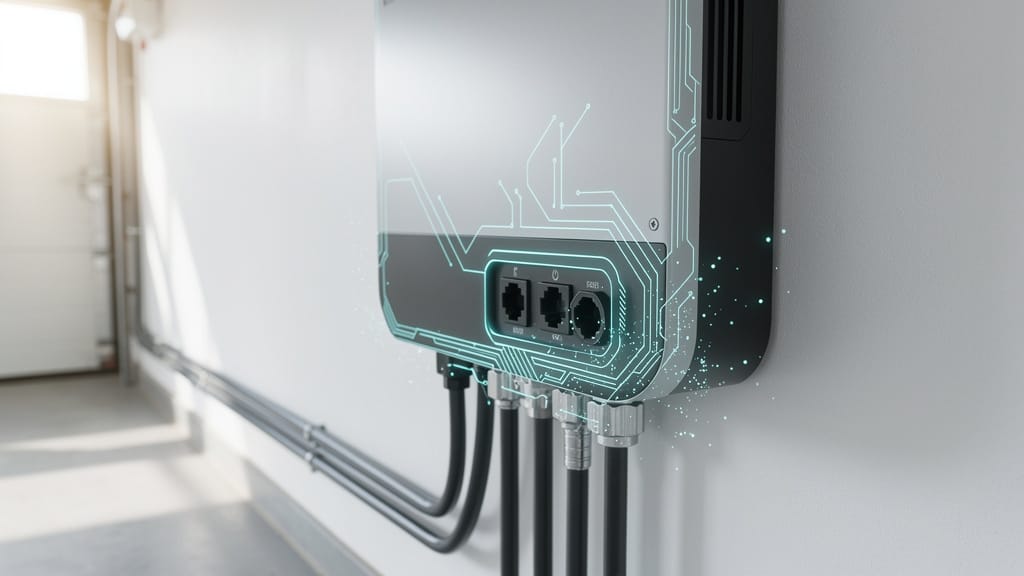
A home's solar inverter or battery system quietly does more internet communication than almost anything else in the house, constantly reporting performance data and receiving remote updates. That connectivity is exactly what makes it useful, and increasingly, exactly what regulators and security researchers are worried about.
Why an Inverter Is a Bigger Target Than It Looks
A solar inverter or battery system needs a constant internet connection to report performance, receive firmware updates, and in some cases respond to utility grid signals in real time. That same connectivity creates a genuine attack surface. Security researchers examining nine different solar inverters found that none met basic cybersecurity requirements, and several were vulnerable to being remotely disabled, hacked, or hijacked to help carry out broader attacks on internet infrastructure. In one documented case, security researchers found zero-day vulnerabilities in a major manufacturer's connected gateway devices, prompting a federal cybersecurity warning about hardcoded credentials that could grant an attacker root-level access.
The concern isn't purely theoretical. A home battery company's systems were found to have vulnerabilities that could let an attacker access a customer's home network entirely through the battery's connection, not just interfere with the energy system itself. Regulators have started responding directly: in July 2026, the FCC added certain foreign-made connected power inverters to its Covered List, following investigations into undocumented communication hardware, including cellular radios, discovered inside some imported units.
None of this means a solar or battery system is unsafe to own, but it does mean the connectivity that makes these systems smart is a genuine security consideration, not just a convenience feature. A new cybersecurity standard specifically for these devices, UL 2941, now exists precisely because the industry recognized this gap needed a dedicated response rather than treating inverters like ordinary smart home gadgets.
The Hardware Stack:
Enphase IQ Gateway: A connected solar and battery monitoring device that has been the subject of documented security vulnerabilities and manufacturer patches.
UL 2941: A dedicated cybersecurity standard for distributed energy resources and inverter-based systems, developed specifically to address this category of risk.
SolarEdge: A major inverter manufacturer whose products are commonly evaluated against emerging cybersecurity certification standards for connected energy equipment.
Vulnerability Score
No firmware update discipline: An inverter or battery system running outdated firmware may carry known, already-patched vulnerabilities that a manufacturer has already fixed for users who update promptly.
No awareness of device origin: A connected inverter from a manufacturer without a clear security track record, or one flagged on a regulatory covered list, carries meaningfully higher risk than a certified alternative.
No network segmentation: A home network where the inverter or battery shares full access with computers and other devices offers an attacker a wider path if that one device is compromised.
What This Means for Anyone With a Solar or Battery System
This isn't a reason to avoid solar or battery storage, these systems have a strong overall safety record, and the industry is actively building standards specifically to address this risk. But it is a reason to treat an inverter or battery's connectivity with the same basic caution given to any other connected device in the home.
Anyone with an existing system should check that firmware updates are enabled and current, and anyone shopping for a new system should ask directly whether it's built to a cybersecurity standard like UL 2941, a question that's becoming as reasonable to ask as one about warranty length or efficiency rating.
Written by Mason Vance