Even as one major federal battery tax credit disappeared at the start of 2026, a separate, larger rebate program aimed at broader home electrification is still actively paying out in more than twenty states. It works differently than a tax credit, and the amount available depends heavily on household income, which makes it worth understanding on its own terms.
How This Rebate Actually Works
The High-Efficiency Electric Home Rebate Act, commonly called HEEHRA or the HEAR program, is part of roughly 8.8 billion dollars in Inflation Reduction Act funding set aside for home energy rebates. Unlike a tax credit claimed at filing time, HEEHRA rebates are point-of-sale or post-purchase discounts covering equipment like heat pumps, heat pump water heaters, electric stoves and ranges, and electrical panel upgrades needed to support them.
The amount available is tiered directly to income. Households earning under 80 percent of their area's median income can receive up to 14,000 dollars total across qualifying upgrades, often enough to cover a substantial share of a heat pump and panel upgrade combined. Households between 80 and 150 percent of area median income receive a reduced amount, and above 150 percent, the program doesn't apply at all. As of early 2026, 23 states have active programs actually distributing this money, with more expected to launch as funds continue rolling out through 2031, though a handful of states have already reached the point where new applications are waitlisted rather than immediately approved.
Because eligibility and available funding vary so much state to state, and some states have already hit reservation limits for certain programs, timing and location both matter more here than with a flat federal tax credit. A household in a state with an active, well-funded program has a very different opportunity than one in a state that hasn't launched its program yet.
The Hardware Stack:
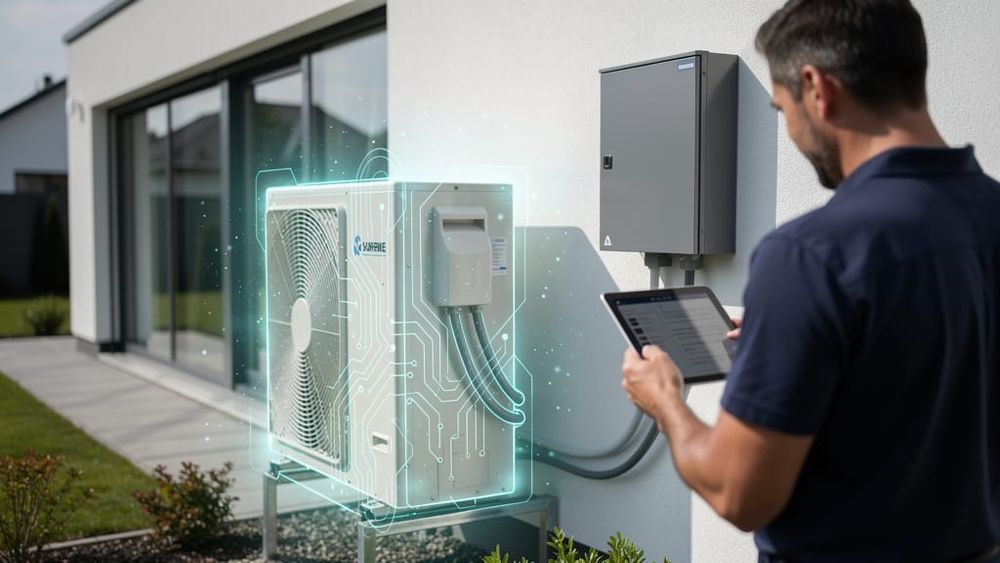
Mitsubishi Hyper-Heat: A cold-climate heat pump commonly installed using HEEHRA rebate funds for households replacing an existing furnace or air conditioner.
Rheem ProTerra: A heat pump water heater frequently covered under HEEHRA's electrification rebate categories.
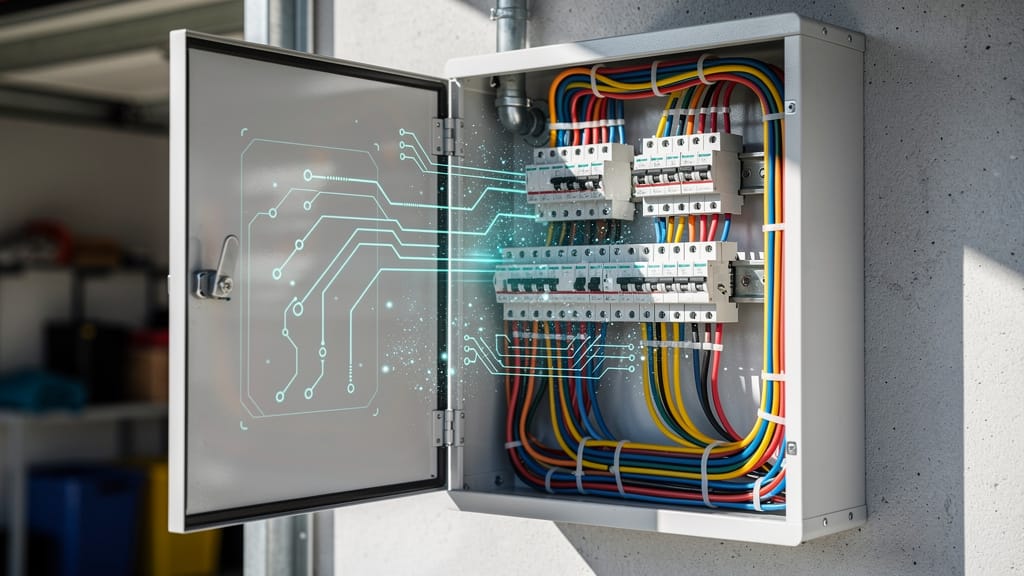
Span Panel: A smart electrical panel sometimes needed, and covered, as part of a HEEHRA-funded electrification project requiring a panel upgrade.
Vulnerability Score
No income-tier awareness: A homeowner assuming the program doesn't apply to them, or assuming they qualify for the maximum amount without checking their actual area median income tier, may miss real savings or apply with the wrong expectations.
No state program check: HEEHRA availability and funding status differ significantly by state, and a household in a state without an active program yet has no HEEHRA funds to draw on right now.
No sequencing awareness: Waiting until a program hits its reservation cap, as has already happened in a state or two, can mean ending up on a waitlist rather than receiving timely funding.
What This Means for Anyone Planning an Electrification Project
This program is genuinely still active money on the table for a large share of US households, even in a year when a separate, more publicized federal credit ended. It's worth checking a state energy office's website directly, or a resource like Rewiring America's incentive finder, before assuming either that the money isn't there or that it will automatically apply.
Anyone planning a heat pump, water heater, or panel upgrade project should check their specific state's HEEHRA status and their own area median income tier before finalizing a budget, since both pieces of information materially change what the project actually costs out of pocket.
Written by Mason Vance