
Major technology firms are abandoning the public utility network to build private generation infrastructure rather than wait for municipal grid upgrades that may not arrive on any useful timeline. That same logic applies directly to the family estate - and the hardware to act on it is available now.
Why Tech Titans Are Abandoning the Grid
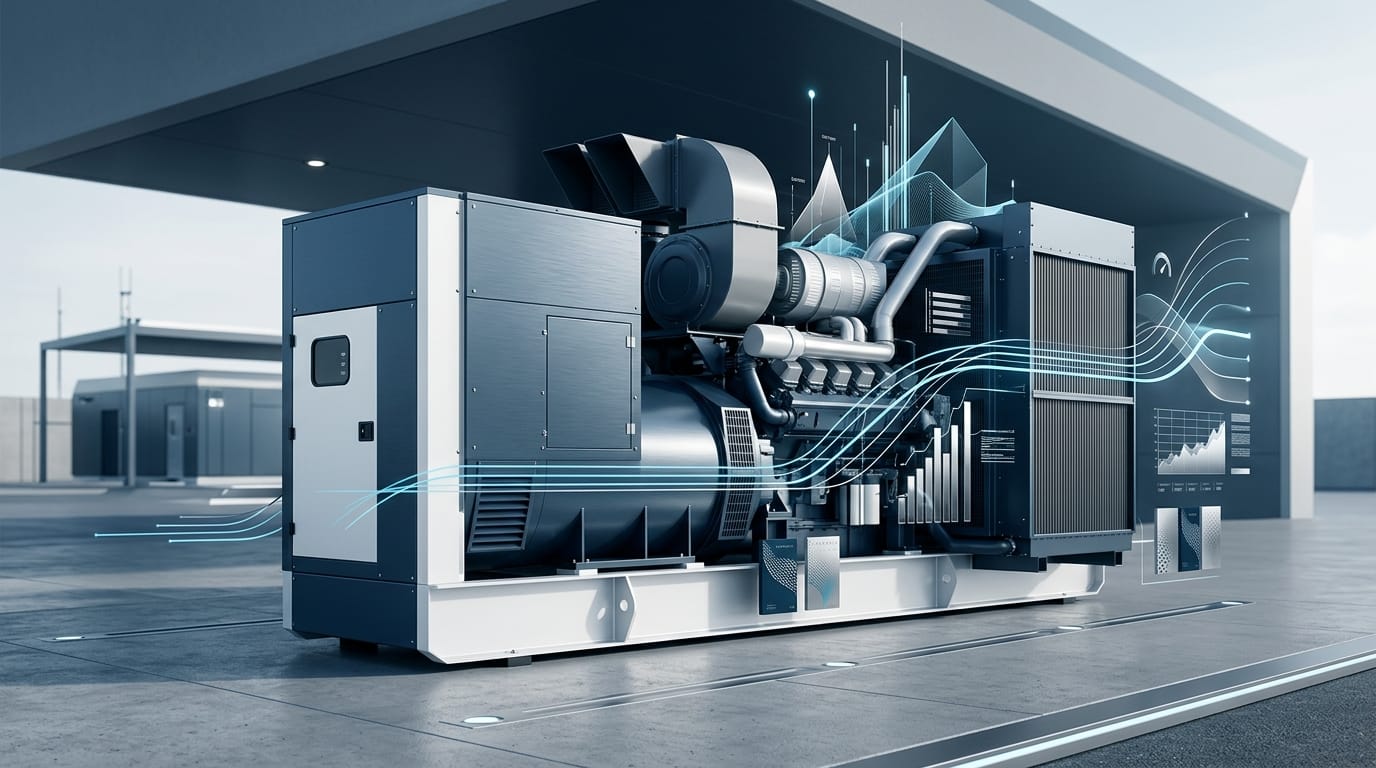
Securing a lasting legacy requires looking beyond financial portfolios to examine the physical infrastructure on which your property actually depends. The public utility network that most family estates rely on was built for a different era of demand. Aging architecture, deep permitting backlogs, and severe lead times for replacement transformers have left the grid unable to keep pace with modern electrical loads. Major technology firms running data centers have reached this conclusion through direct operational experience - waiting in interconnection queues is not a viable strategy when continuous power is a business requirement. They are building autonomous generation systems with heavy-duty turbines and industrial-grade battery storage rather than depending on municipal supply. Paper wealth cannot substitute for physical infrastructure, and the gap between what the public grid reliably delivers and what a well-run estate actually requires is worth addressing directly.
The Estate Reserve Matrix: Engineering Total System Isolation
Achieving meaningful independence from municipal supply requires treating your property with the same operational discipline that commercial facilities apply to their power strategy. Advanced computing centers no longer treat battery storage as a passive backup - they use large-scale energy storage as a dynamic buffer that manages rapid fluctuations and maintains stability when local utility supply becomes unreliable. When grid conditions deteriorate, intelligent management systems isolate the facility instantly and maintain continuity without interruption. The same architecture scales effectively to a family estate.
The approach that delivers genuine resilience integrates continuous on-site generation with substantial storage capacity, eliminating dependence on external supply for the systems that matter most - security perimeters, climate control, water access, and communications.
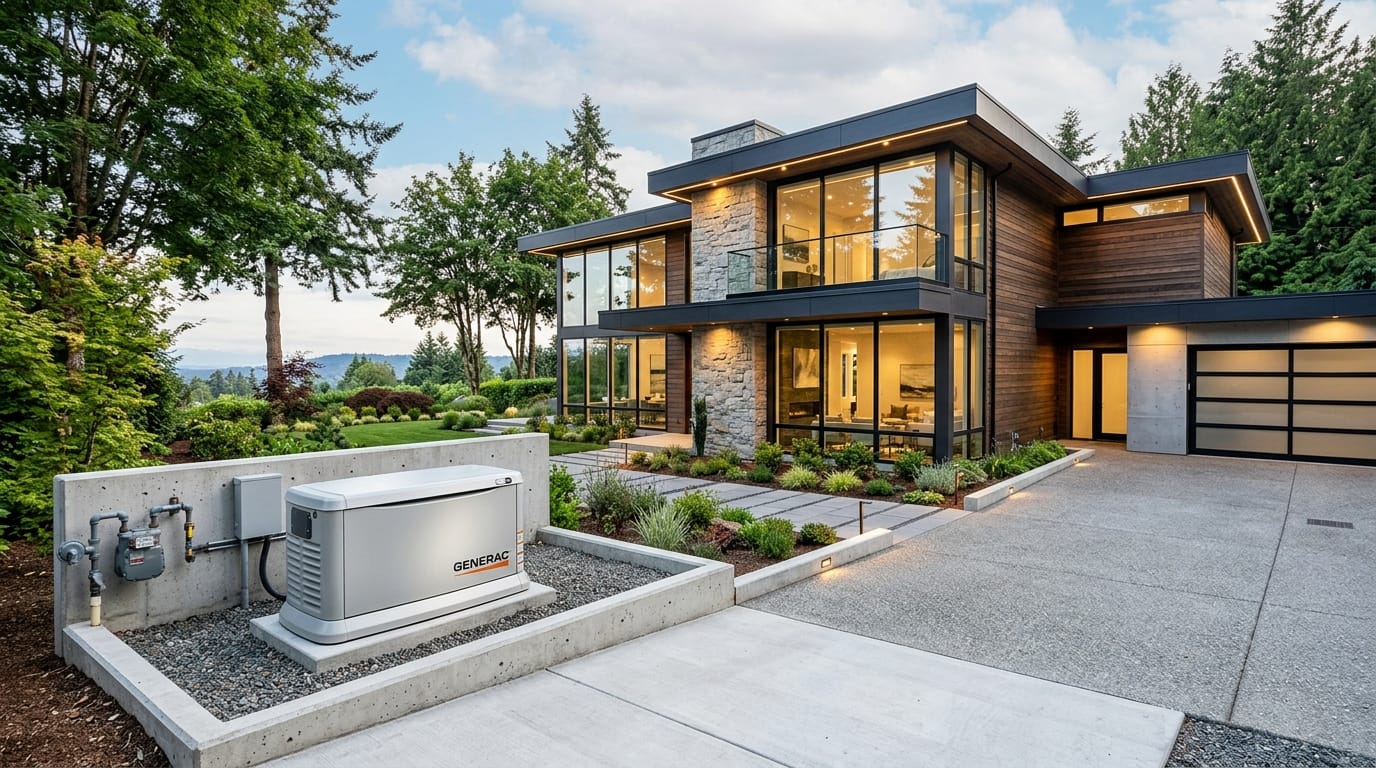
- Generac heavy-duty multi-fuel standby systems: primary baseload generation designed for continuous operation across extended outage windows, with multi-fuel capability that reduces dependence on any single supply source.
- Tesla commercial-grade battery arrays: the Reserve Vault layer that buffers grid dropouts instantly and captures excess on-site production for use during peak demand or prolonged disconnection.
- FranklinWH smart energy management hubs: command logic that islands the estate automatically, balances heavy electrical loads, and maintains system visibility without requiring manual intervention during a grid event.
- Aquasana industrial-grade whole-house filtration paired with solar-direct well pumps: life-support redundancy that keeps water access fully operational independent of grid power.
Installing these components as an integrated system transforms a property from a grid-dependent consumer into an estate that treats municipal supply as a convenience rather than a necessity.
Securing the Legacy Through Infrastructure Independence
The shift underway among serious estate operators reflects a straightforward reassessment of where physical risk actually sits. Regional grid failures are not isolated anomalies - they reflect structural conditions that are present across multiple utility networks simultaneously. Copper shortages extend repair timelines, interconnection backlogs delay new capacity additions, and industrial-scale power demand from data center construction is accelerating the strain on systems that were already operating near their design limits.
Vulnerability Score - a standard estate without private generation carries exposure across several critical dimensions: full grid dependency with no continuity during extended outages, security and climate systems that fail within hours, water access that goes offline when grid power is unavailable, and procurement lead times for generation equipment that have extended considerably - meaning decisions made late provide no near-term protection.
The owners building private generation capacity now are not responding to an immediate crisis. They acknowledge that the public grid's reliability trajectory does not support the assumption that it will perform adequately over the next decade of increasing demand. Physical infrastructure secured today provides operational independence that compounds in value as grid conditions tighten further. The estate that controls its own power supply does not negotiate with utility outage timelines or rationing decisions. It operates on its own terms.