If a storm knocks out the transformer serving your street, the wait to get it replaced is no longer measured in hours. Lead times for new distribution transformers have stretched from around 12 weeks before the pandemic to 30 to 50 weeks in 2026, and utilities are increasingly stretched thin on spares.
The Equipment Behind Every Outage
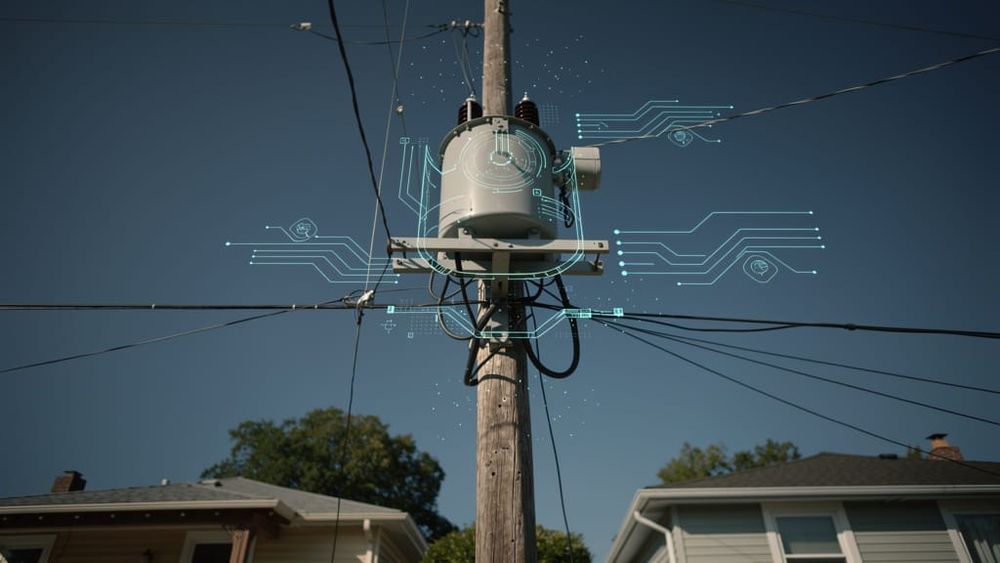
A distribution transformer is the piece of equipment that steps grid-level voltage down to the level a house actually uses, and there's typically one serving every few homes on a street. Utilities keep a stock of spares for exactly this reason, so a damaged unit can usually be swapped quickly. The problem now is that the spares themselves are harder to replace.
More than half of the distribution transformers in the U.S., tens of millions of units, are already past their expected service life, adding a steady stream of routine failures on top of the new units utilities need for data centers, EV charging infrastructure, and home electrification. Demand has outpaced manufacturing capacity, and a persistent shortfall in the national fleet means utilities are holding fewer spares in reserve than they used to, and taking longer to restock the ones they use.
None of this changes how often a transformer actually fails, most last for decades without issue, but it does change what happens on the occasions when one does. A utility that once could swap a damaged transformer within days may now be waiting weeks for a replacement to arrive, which turns what used to be a short, localized outage into a much longer one for the homes it serves.
The Hardware Stack:
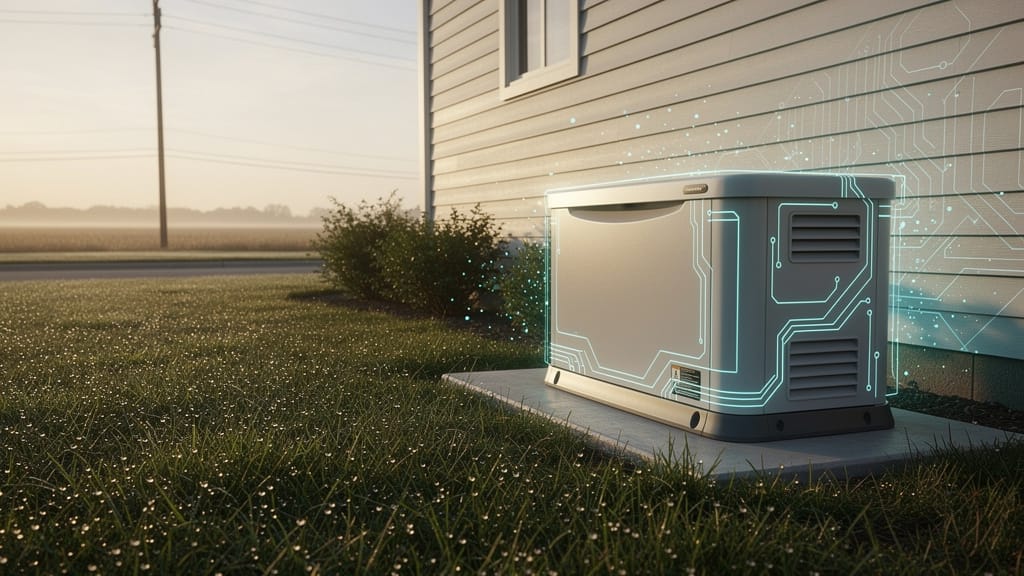
Generac PWRcell: A whole-home battery and generator system designed to bridge extended outages that last well beyond what a typical battery alone is sized for.
Tesla Powerwall 3: A home battery that can keep essential circuits running through a multi-day outage when paired with solar recharging.
EcoFlow Delta Pro 3: A portable power station offering a flexible, non-permanent backup option sized for exactly this kind of extended, unpredictable outage.
Presented by Porter & Co.
I've been working with Porter Stansberry for over 20 years.
I was there when his warning about destruction of the dollar's purchasing power – The End of America – went viral…
And when he predicted that COVID-era money-printing would trigger the worst inflation in a generation.
But this might be the most explosive story he's ever broken – a bombshell monetary reset that nobody has told you about or prepared you for.
I’ll be sharing this video with my friends, my folks and everyone who’s financial future I care about.
If you have savings in the bank or any money in the market – you need to make time for this immediately.

In Porter’s new documentary, you'll discover:
- How the last time America reset its money like this it created an average of 1,300 millionaires every day – while quietly ruining the wealth of millions more
- Why you'll be forced to use this new money – whether you support it or not
- How the most popular investments of the last decade could be among the worst bets of the new monetary order
- Why most Americans will end up on the wrong side of this reset – and the one move that could determine which side you land on
- Five assets Porter believes sit at the very heart of what's unfolding – and why a critical event in December could send them surging
Jared Kelly
CEO, Porter & Co.
Vulnerability Score
No local spare: A home relying entirely on utility repair timelines has no way to bridge a gap that, in 2026, can now run from days to several weeks depending on what equipment failed.
No solar recharging: A battery without solar to recharge it during daylight hours will eventually run down no matter how efficiently it's managed, which matters more as outages stretch longer.
No fuel-based backup: Without a generator or a way to extend a battery's runtime, a home has no fallback once stored capacity runs out during a prolonged repair wait.
Deciding Whether a Panel Upgrade Is Actually Necessary
None of this means outages are becoming more frequent. It means that when one does happen, especially one involving actual equipment failure rather than a temporary line issue, the timeline to get it fixed has shifted from days to potentially weeks.
For a homeowner weighing backup power, that shift is worth factoring into the sizing conversation. A system built to cover a few hours of inconvenience looks different from one built with the knowledge that, on the rare occasion equipment actually fails, the wait for utility repair could stretch on for a while.
What 60 companies just admitted under penalty of perjury (Sponsored by Porter & Co.)
Do oil prices guarantee financial armageddon? (Sponsored by Omnia Research)
I warned you. You still have time. For now. (Sponsored by Porter & Co.)