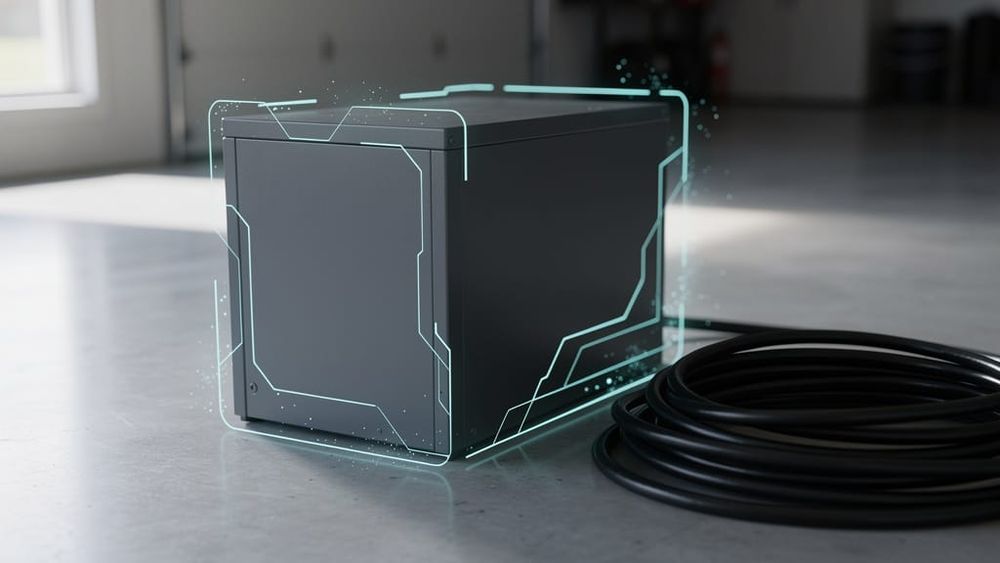
A portable power station and an inverter generator sit next to each other in the store at similar prices, and they are described with numbers that cannot be compared directly. One is rated in watt hours and the other in watts, and that single difference explains almost everything about which one suits a household.
Capacity Against Output
A battery station has two numbers. Output, in watts, is how much it can run at once. Capacity, in watt hours, is how long it can run that. A station rated two thousand watts and two thousand watt hours will run a one thousand watt load for roughly two hours, less some conversion loss, and then it is finished until it is recharged.
An inverter generator has only the first number. Output is what it can run at once, and its endurance is a function of fuel rather than design. Refuel it and it continues indefinitely, which is the whole argument for owning one.
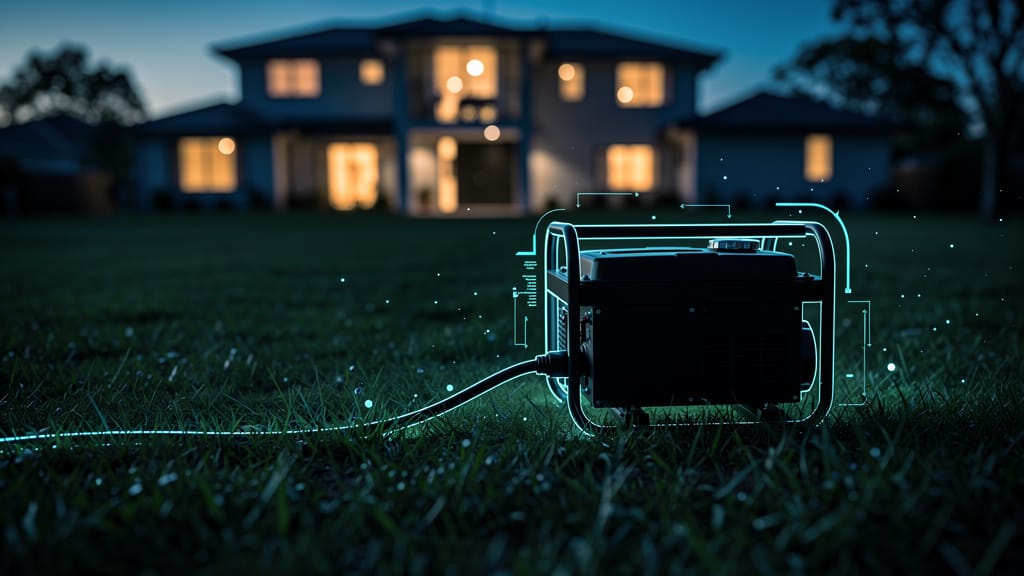
The second difference is where it can be used. A battery station produces no exhaust, so it can sit in a hallway and run through the night. A generator cannot. The Consumer Product Safety Commission estimates that carbon monoxide from portable generators kills close to a hundred people a year in the United States, and its guidance is to place them outdoors at least twenty feet from the house with the exhaust directed away. That rule is not negotiable and it rules out garages, porches, and open windows.
Noise follows the same split. A battery station is silent apart from a cooling fan. Inverter generators are the quiet category of generator and still produce a constant sound in the range of a conversation held nearby, which during a multi-day outage becomes a question about your neighbours as much as about you.
Surge capacity is the detail that trips people up on both sides. A refrigerator compressor or a well pump draws several times its running wattage for a second at startup. Both product types publish a surge or peak figure, and the running number alone will mislead you.
The Hardware Stack:
- EcoFlow Delta Pro 3: A large battery station with a 240 volt output, which is the category that can start a well pump rather than only hold a refrigerator.
- Honda EU2200i: A small inverter generator, long used as the reference point in this class for noise and fuel efficiency.
- Jackery Explorer 1000 v2: A mid-size station at the weight where one person can carry it, which is often the real constraint.
Vulnerability Score
Unit confusion: Comparing a station's watt hours against a generator's watts produces a meaningless result, and store signage frequently invites exactly that comparison.
Carbon monoxide: A generator run in a garage or near an open window is the most common fatal mistake in home backup, and it happens most often during the storms that create the need.
Surge shortfall: A load's running wattage understates what it demands at startup, so a unit sized on running figures alone can refuse to start a refrigerator.
Choosing Between Them
Size it from a list, not a guess. Write down what you intend to run, find the running and starting wattage on each appliance label, and add the running figures while noting the single largest starting figure. Those two numbers tell you the output you need.
Then decide on duration honestly. If outages where you live last a few hours, a battery station is the better tool: silent, indoor-safe, no fuel to store, no maintenance between events. If they last days, a battery alone will not get you through, and the choice is a generator or a battery with a way to recharge it, which in practice means solar panels or a vehicle.
Many households end up with both, and that is a reasonable outcome rather than a sign of overbuying. The station handles the common short outage without anyone going outside. The generator comes out for the uncommon long one and recharges the station during the day, which keeps the noisy thing off overnight.
Written by Mason Vance