Not every outage is caused by a storm or a broken part. In wildfire-prone regions, utilities now deliberately cut power to entire areas on high-risk days, a planned outage known as a public safety power shutoff. Unlike a random equipment failure, this kind of outage is predictable, which changes how a homeowner can realistically prepare for it.
Why a Utility Would Turn the Power Off on Purpose
A public safety power shutoff, or PSPS, happens when a utility proactively de-energizes power lines in an area facing dangerous fire weather, typically a combination of high winds, low humidity, and dry vegetation. The logic is straightforward: a downed or arcing power line during those exact conditions is a leading cause of major wildfires, so cutting power preemptively removes that specific risk, even though it means planned outages for residents in the affected area.
PG&E in California has already triggered multiple such shutoffs in 2026, with one event in July affecting thousands of customers as a precaution during a period of elevated fire danger. The 2026 wildfire outlook for Northern California specifically points to an above-average season through the summer months, meaning these planned shutoffs are likely to continue happening through the rest of the year in the highest-risk areas.
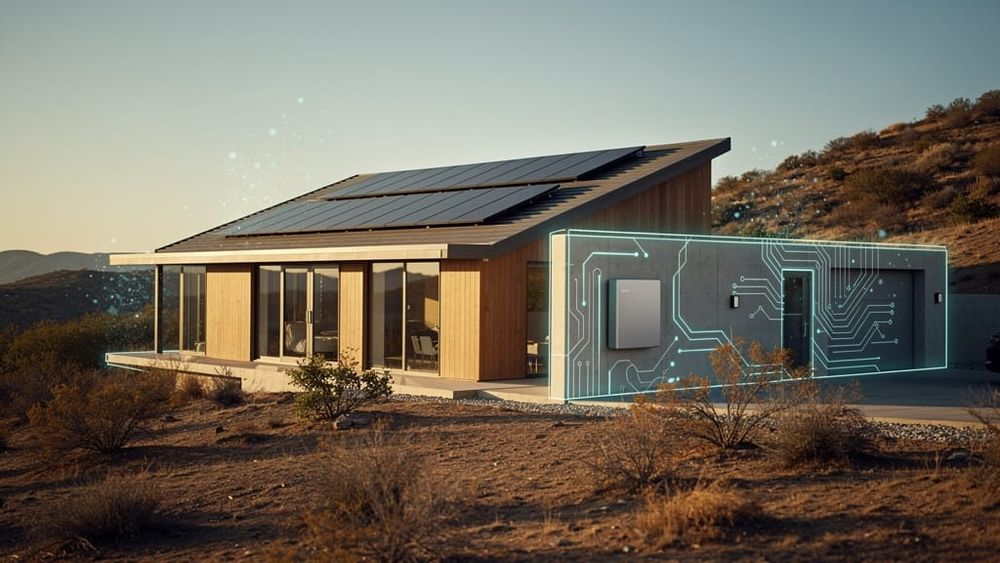
What makes a PSPS different from a storm-related outage is the advance notice. Utilities generally alert affected customers before a shutoff begins, sometimes by a day or more, which gives homeowners a genuine window to prepare rather than reacting after the fact. A properly sized solar-plus-battery system changes the experience substantially, a single home battery in the 13 to 14 kilowatt-hour range can typically keep essential loads like refrigeration, lighting, and internet running for twelve to twenty-four hours, and solar can extend that further if the shutoff stretches into daylight hours.
The Hardware Stack:
Tesla Powerwall: A home battery frequently cited as sufficient to cover essential loads during a typical PSPS event lasting under a day.
PG&E's PSPS alert system: A notification service that gives affected customers advance warning before a planned wildfire-prevention shutoff begins.
EcoFlow Delta Pro: A portable power station used by some California homeowners as a lower-cost, flexible option for shorter PSPS events.
Vulnerability Score
No advance-notice plan: A homeowner who hasn't set up utility PSPS alerts is relying on discovering the outage only once it starts, losing the preparation window the notice is meant to provide.
Undersized backup for the pattern: A battery sized only for a brief outage may not comfortably cover the longer, sometimes multi-day duration a PSPS event can reach during severe fire weather.
No plan for repeated events: PSPS shutoffs can happen multiple times in a single fire season, and a plan that works once may need refrigerated food, medication, or work-from-home considerations addressed for repeat occurrences.
What This Means for Anyone in a Fire-Prone Area
A PSPS is fundamentally different from most outages because it's foreseeable, which is genuinely useful information rather than a reason for alarm. Signing up for a utility's PSPS alerts, and sizing backup power around the realistic duration of these events rather than a worst-case guess, turns a planned inconvenience into something manageable.
For homeowners in high fire-risk regions already considering solar and storage, the predictability of PSPS events is one of the more practical reasons the investment tends to pay off in comfort and stability, even setting aside cost.
Written by Mason Vance