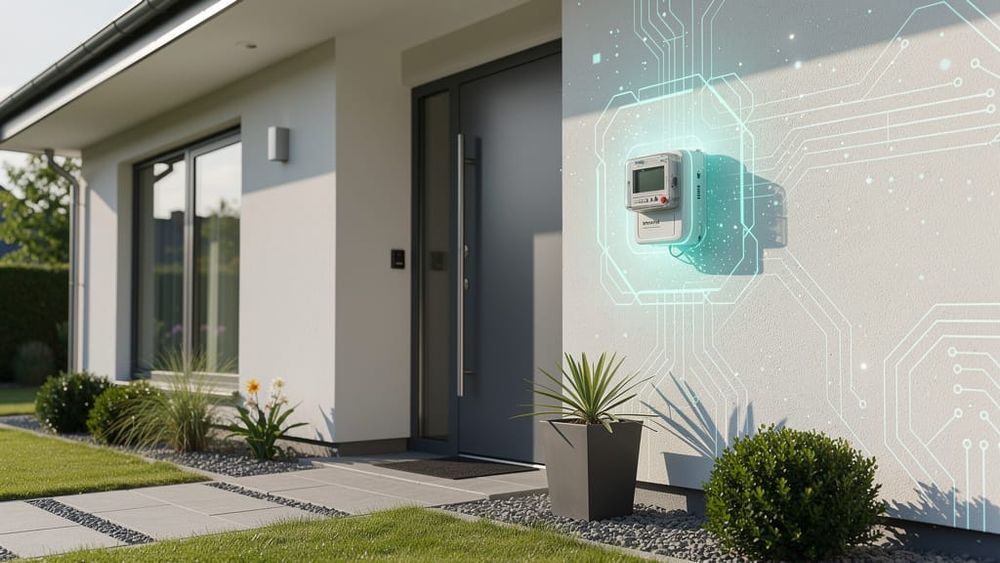
Nearly 80 percent of electric meters in the US have quietly been replaced over the past decade with a smart version that does far more than count kilowatt-hours for a monthly bill. That upgrade, called advanced metering infrastructure, is the unglamorous piece of hardware that makes almost every other trend in home energy, from time-of-use rates to VPP enrollment, actually possible.
What an Advanced Meter Actually Enables
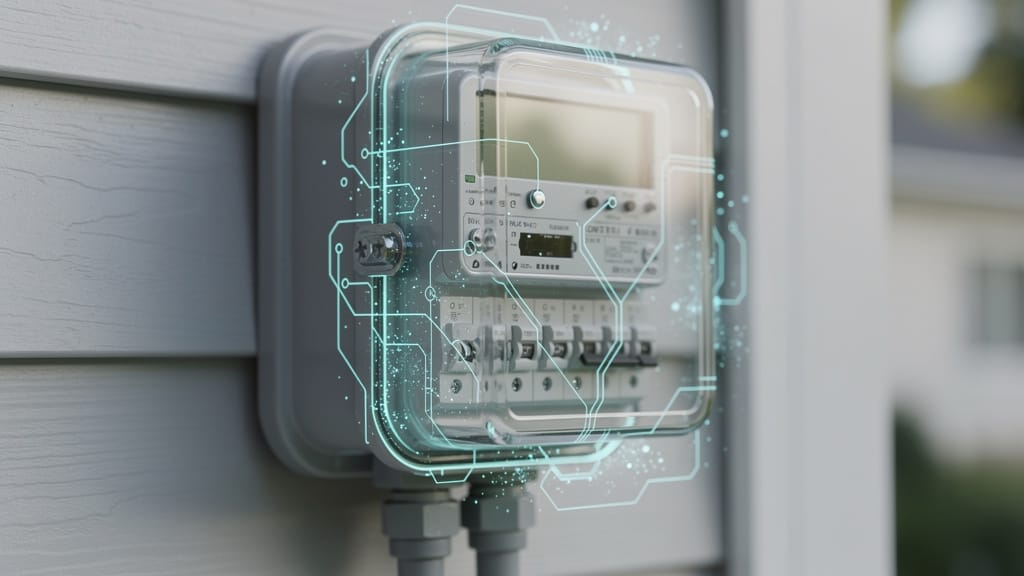
A traditional meter required someone to physically read it once a month. An advanced meter, by contrast, communicates usage data back to the utility automatically, and in many cases far more frequently than the old monthly cycle. With about 130 million of these meters now installed across residential, commercial, and industrial customers nationwide, the infrastructure needed to support time-of-use pricing, demand response programs, and virtual power plants is already in place at the vast majority of American homes, whether or not the homeowner has ever thought about it.
The technology is still evolving. A meaningful share of utilities report that their current meters only transmit data a few times a day, frequent enough for accurate billing but not nearly detailed enough to manage a grid that increasingly needs to respond to conditions minute by minute. A next generation, sometimes called AMI 2.0, is being developed specifically to close that gap, with more utilities expected to upgrade their metering systems in the next several years to support real-time data and more advanced grid-edge coordination.
For a homeowner, the existence of an advanced meter is usually what determines whether time-of-use rates, managed EV charging programs, or VPP enrollment are even available in the first place. A home still served by an older meter may simply be ineligible for programs that homeowners a few streets over already have access to, an easy thing to overlook since a meter isn't something most people ever think to ask about.
The Hardware Stack:
Itron OpenWay Riva: A widely deployed advanced metering platform used by utilities to enable real-time usage data and remote grid management features.
Landis+Gyr Gridstream: An advanced metering infrastructure system supporting two-way communication between a home meter and the utility.
Sense Home Energy Monitor: A separate, homeowner-installed device that adds real-time circuit-level visibility a standard advanced meter alone doesn't typically provide.
Vulnerability Score
No advanced meter installed: A home still on an older meter may be excluded from time-of-use rates, managed charging programs, or VPP enrollment that a smart meter is a prerequisite for.
No awareness of what a meter enables: Many homeowners have no idea their eligibility for money-saving programs depends on metering infrastructure they've never had a reason to ask their utility about.
Limited data frequency: Even with an advanced meter installed, infrequent data transmission on some systems means less responsive rate signals or slower detection of usage anomalies.
What This Means for Anyone Trying to Access These Programs
If a time-of-use rate, managed EV charging program, or VPP enrollment doesn't seem to be available, it's worth asking the utility directly whether an advanced meter is installed at the property, rather than assuming the program simply isn't offered in the area. In many cases, the meter itself, not the program, turns out to be the actual gap.
This is one of the more invisible pieces of home energy infrastructure, but it's increasingly the gatekeeper for nearly every other program discussed regularly in this space, worth understanding even though it's not something most homeowners ever see or think about directly.
Written by Mason Vance