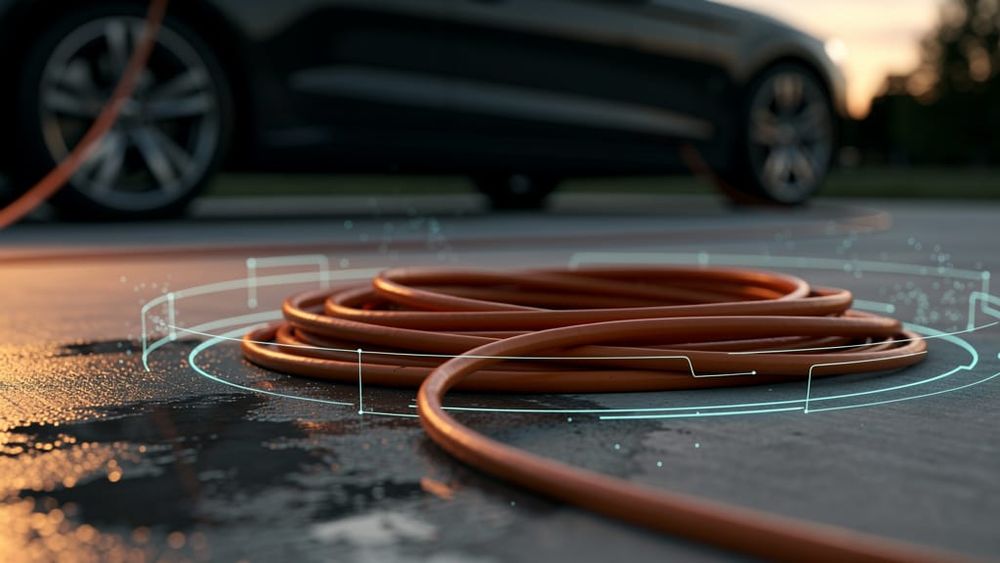
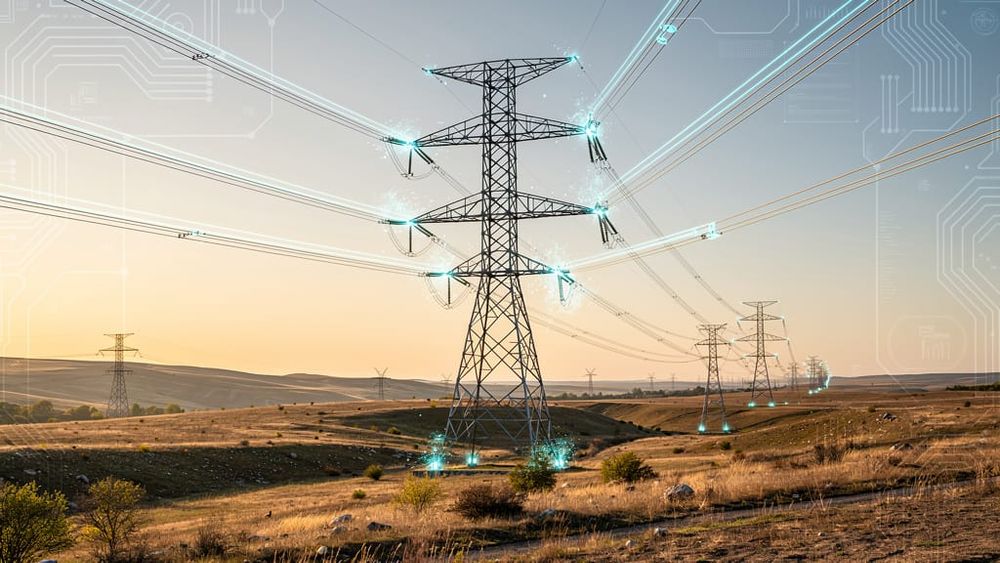
Building a new high-voltage transmission line can take the better part of a decade once permitting, land rights, and construction are all accounted for. A cheaper, faster alternative is gaining real momentum in 2026, and it involves upgrading the wires already hanging on existing towers rather than building new ones.
Sponsored by Freedom Financial Research
Musk says Universal Income is coming, but I say it’s already here
Editor's Note: Robert Kiyosaki, author of Rich Dad Poor Dad, the #1 personal finance book of all time with over 40 million copies sold, has spent decades teaching everyday Americans how the wealthy actually build income. He called the 2008 housing crash before it happened, warned investors to buy gold and silver well before their historic runs, and has been pounding the table on cash-flowing assets for over 30 years. Today, he'll show you an income play funded entirely by America's oil and gas infrastructure. One that's already paying some investors $25,000 a month and is the closest thing to universal basic income that may ever exist. Click here to see the details or read more below.
Elon Musk has been saying the same thing for almost a decade:
"Universal basic income is coming." It's not a question of if — it's when.
And he's right.
AI is already displacing millions of jobs. One report says 40% of all jobs could be automated within the next decade.
When that happens, the government will have no choice but to pay people. The money will come from the companies profiting from AI — through robot taxes, automation fees, or it could even come from a sovereign wealth fund like Alaska has with oil.
That's how Universal Income will get funded. That's how it will become real.
But here's the problem: Washington moves at a snail's pace. This could take 20 years.
So while Musk tweets and Congress holds hearings, what are you supposed to do? Wait?
I don't think so.
The way I see it, universal income already exists.
It's not funded by robots or AI. It's funded by America's oil and gas infrastructure — and it pays 10% a year, 42 times a year, to everyone who holds units.
I call it the Patriot Income Plan. It's made up of 14 partnerships — and it's already paying out.
In 2020, it paid out $28.8 billion. This year, it's expected to pay out $53 billion.
Think of it as your own personal sovereign wealth fund. Funded by American energy. Paying you like clockwork.
One investor collects $4,800 a month. Another pulls in over $25,000.
Elon is right. UBI is coming. But you don't have to wait.
Enrollment is easy.
Sincerely,
Robert Kiyosaki
Editor, The Kiyosaki Letter
How Reconductoring Actually Adds Capacity
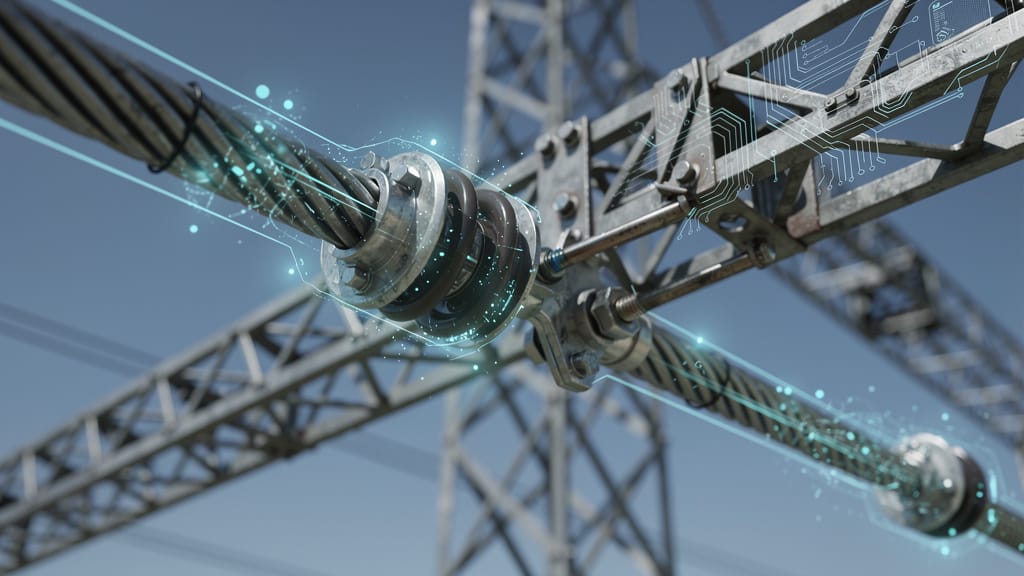
Reconductoring means replacing the older, conventional steel-and-aluminum cable strung between existing transmission towers with advanced conductors built from newer composite materials. These advanced conductors can carry roughly twice the current of a traditional cable of the same size, while sagging less in the heat, and they can typically be installed on existing towers without needing new rights-of-way, permitting fights, or years of land negotiation.
The US Department of Energy is backing this shift directly, committing close to two billion dollars in 2026 toward a program aimed at accelerating reconductoring and similar grid-enhancing technologies nationwide, including dynamic line rating systems that let a utility safely push more power through a line based on real-time weather conditions rather than a fixed conservative limit. Independent analysis has found that reconductoring alone could account for roughly two-thirds of the transmission capacity the country needs to add by the mid-2030s, even in scenarios where entirely new lines are also being built.
For homeowners, this matters less as a direct home upgrade and more as a sign of where grid investment is actually going. Faster, cheaper capacity upgrades on existing infrastructure mean utilities have a real alternative to years-long transmission projects when trying to keep up with demand from data centers, EVs, and home electrification, which could meaningfully affect how quickly regional grid strain gets addressed compared to waiting for brand-new lines.
The Hardware Stack:
TS Conductor: A manufacturer of advanced composite-core conductors used in utility reconductoring projects to roughly double transmission capacity on existing towers.
LineVision: A dynamic line rating technology provider that lets utilities monitor real-time line conditions to safely carry more power without new construction.
US Department of Energy SPARK program: A federal funding initiative specifically supporting reconductoring and other grid-enhancing technology deployment.
Vulnerability Score
No visibility into local grid investment: Most homeowners have no way to know whether their regional utility is pursuing faster upgrades like reconductoring versus slower traditional transmission builds, information that affects how quickly local grid strain gets resolved.
Continued reliance on aging conductors: A grid segment still running on older, lower-capacity cable is more exposed to strain from rising demand than one that's already been upgraded.
No pressure on utility planning: Ratepayers and homeowners rarely weigh in on which grid upgrade approach a utility chooses, even though the choice affects how quickly capacity constraints get resolved in their area.
What This Means for the Bigger Picture
This isn't something an individual homeowner installs or benefits from directly, in the way a battery or a smart thermostat is. But it's a meaningful piece of context for understanding why some of the grid strain driving home battery and generator interest might actually ease faster than expected in areas where utilities adopt these faster upgrade paths.
It's a reasonable thing to ask about if a local utility holds public planning meetings or comment periods, since reconductoring and similar technologies represent a genuinely faster path to relieving the exact kind of grid strain that's been driving up both outages and interconnection wait times.
Written by Mason Vance
Half-price silver. Robert says "moon shot" coming. (Sponsored by Freedom Financial Research)
Why was a $5 stock listed beside Russia? (Sponsored by Freedom Financial Research)
TRADE ALERT: “Accelerated AI” stocks are breaking out (Sponsored by Brownstone Research)
Get the name completely free of charge (Sponsored by Brownstone Research)
System failure: The strongest leverage for gold…(Sponsored Golden Portfolio)
Trump's New Money Grid (Sponsored by Awesomely)
This could be bigger than Tesla and SpaceX combined (Sponsored by Brownstone Research)