Electricity demand hit an all-time high across a large stretch of the country this summer, beating a record that had stood for two decades. What actually kept the lights on wasn't primarily new power plants coming online just in time, it was a coordinated effort to pull demand down at exactly the right moments, using tools that increasingly live inside ordinary homes.
What Actually Happened During the Peak
Grid operator PJM, which manages electricity across a large swath of the mid-Atlantic and Midwest, forecast demand exceeding 166,000 megawatts during a record-breaking heat wave, surpassing a previous record set in 2006. Other regional grid operators reported similarly tight conditions and called for conservation as heat indexes climbed into the low hundreds in several areas.
The response leaned heavily on demand response programs, tools that reduce electricity use during peak moments rather than generating more of it. During a comparable heat wave the prior summer, PJM cleared its emergency conditions by deploying demand response that cut load by more than 4,000 megawatts at the most extreme peaks, all without resorting to a firm load shed, the kind of rolling, forced outage grid operators try hardest to avoid. A meaningful share of that reduction came directly from residential programs: one company's home battery dispatch contributed over 340 megawatts, while other demand-flexibility platforms managed hundreds of additional megawatts by adjusting smart thermostats and shifting flexible loads to off-peak hours.
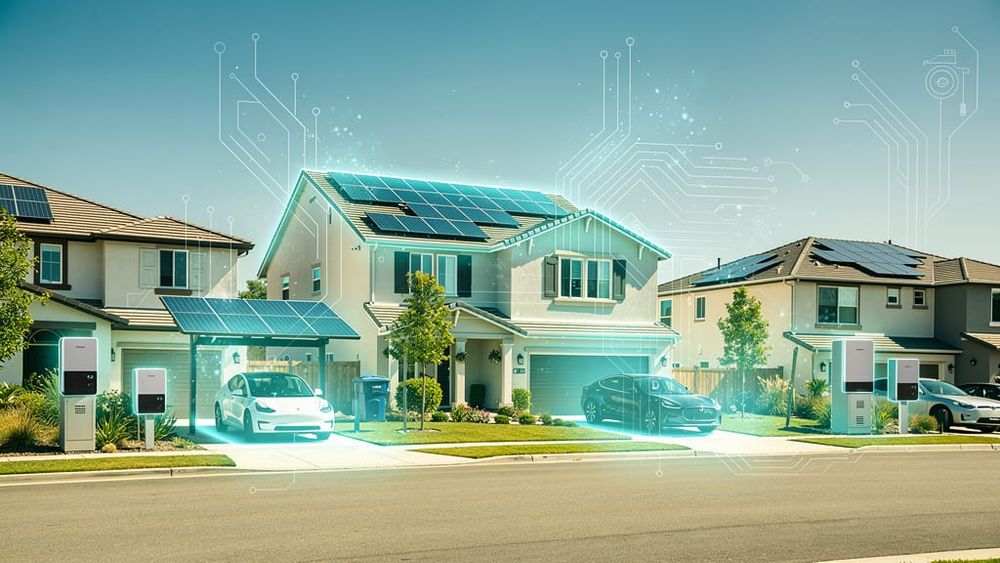
This is the practical, less visible payoff of the virtual power plant and managed-device trend that's been building for the past couple of years. A home battery or smart thermostat enrolled in one of these programs isn't just earning its owner an occasional check, it's functioning as part of the actual infrastructure that kept a record-breaking heat wave from turning into widespread blackouts.
The Hardware Stack:
Sunrun: A solar and battery installer whose aggregated residential battery fleet delivered a substantial dispatch during peak summer demand events.
EnergyHub: A demand-flexibility platform that coordinated smart thermostats and other connected devices to shift and reduce load during the heat wave.
Tesla Powerwall: A widely enrolled home battery model contributing to residential VPP dispatches during high-demand summer events.
Vulnerability Score
No enrollment in demand response: A home battery or smart thermostat that isn't enrolled in any utility or aggregator program contributes nothing to easing grid strain during exactly the events that matter most.
No awareness of grid conditions: Homeowners without any visibility into utility conservation appeals may unknowingly run high-draw appliances during the precise hours a grid operator is asking everyone to ease off.
No flexible load capability: A home without a smart thermostat or connected devices capable of automated load shifting has no easy way to participate in these programs even if it wanted to.
What This Means Going Forward
Extreme heat events like this one are becoming a more regular part of summer grid planning rather than a rare outlier, and the tools that got the grid through this particular peak, distributed batteries and connected thermostats working in coordination, are the same ones already discussed as VPP participation. The events that just happened are a real-world demonstration of why that participation matters at scale.
For anyone already enrolled in a demand response or VPP program, this summer's numbers are a concrete example of what that enrollment actually accomplishes. For anyone who hasn't looked into it yet, it's a reasonable moment to ask a utility directly what's available.
Written by Mason Vance